
Product guidance
The Infrastructure of Identity: Why Consistent User Profiles Drive Conversion
Learn how user profile data consistency and automated public-avatar detection support reliable contact-data workflows and reduce profile friction.
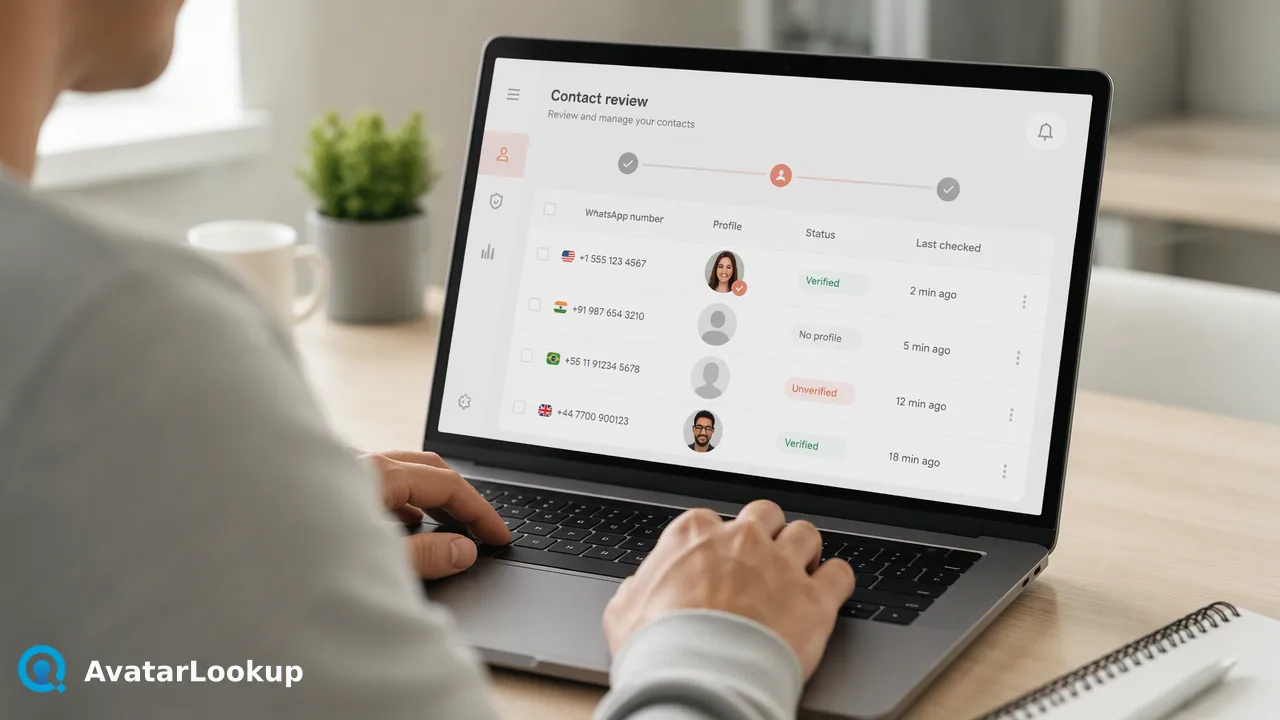
Explore how user profile data consistency and automated public-avatar detection help teams reduce profile friction and support reliable contact-data workflows.
High-converting user profiles rely on seamless data integration rather than just visual design. Maintaining user profile data consistency across digital touchpoints is a foundational element for user trust and engagement. When organizations automate the verification of public-facing identifiers—such as confirming public-avatar availability across messaging and email platforms—they can reduce profile friction and improve contact-data accuracy. Centralized identity infrastructure supports reliable user representations, helping teams review contact records without manual intervention. By standardizing these public signals, businesses can maintain accurate databases and foster greater user confidence, ensuring that fragmented or repetitive data entry does not disrupt the user experience during critical workflow stages.
The Hidden Impact of Profile Consistency
Consistent profile data serves as a foundational element for user trust and engagement across digital platforms. When organizations maintain user profile data consistency, they provide a cohesive experience that supports user confidence. Conversely, profile friction—the operational barrier created by repetitive data entry or inconsistent identity representation—often leads to workflow abandonment. Users expect their public-facing identifiers to reflect accurate, synchronized information across different touchpoints. When contact databases contain fragmented or outdated profile information, it creates a disjointed experience that can deter users from completing necessary setups. Addressing these inconsistencies requires moving beyond aesthetic user interface design to focus on the underlying data infrastructure. By prioritizing accurate profile data management, teams can reduce the hidden costs associated with profile friction and support more reliable, standardized contact-data workflows that inform broader engagement strategies.
Reducing Friction Through Automated Data Synchronization
Automated avatar detection allows teams to validate contact records without manual intervention, streamlining contact-data workflows. Centralized identity infrastructure prevents data decay by continuously standardizing public-facing identifiers across multiple channels. AvatarLookup provides a focused public-avatar detection platform for teams that need to review supported account identifiers efficiently. By integrating automated checks for public-avatar availability, organizations can synchronize data across platforms and reduce the onboarding friction associated with manual profile updates. This automated infrastructure supports consistent identity representation by confirming whether an account has a set image on specific platforms. Relying on automated data synchronization rather than manual data entry helps maintain database accuracy and ensures that user profiles remain consistent over time. This systematic approach to managing public profile signals gives teams the necessary context to review contact records at scale while minimizing operational bottlenecks.
Technical Considerations for Profile Management
Implementing public-avatar detection requires a clear understanding of what the data represents. Public-avatar detection identifies whether a public-facing account identifier, such as a phone number or email address, is associated with a visible profile image on a specific platform. It is critical to note that appearance attributes derived from avatars—such as presented gender, age range, hair color, skin-tone features, or appearance ethnicity—are algorithmic estimates from an avatar image. Teams must use these public profile signals strictly to inform contact-data reviews rather than treating them as verified identity facts.
Scaling Identity Infrastructure
Large-scale contact-data workflows require efficient bulk processing capabilities to maintain user profile data consistency. Bulk processing supports multiple platforms, allowing organizations to review identifiers across WhatsApp, Telegram, Viber, LINE, Zalo, MAX, Gmail, Yandex, and Mail.ru simultaneously. AvatarLookup facilitates these asynchronous bulk tasks by processing supported messaging and email identifiers in a single bulk file. To maintain efficient workflows, the system retains clear avatar conclusions separately from invalid, failed, or undetermined rows. Core results explicitly distinguish between avatar available, no avatar, and undetermined statuses. This structured output ensures that teams can systematically update their centralized infrastructure without manual sorting. By utilizing bulk avatar checks, organizations can standardize extensive contact lists across diverse communication channels, ensuring that their data synchronization efforts scale effectively alongside growing user bases and expanding platform requirements.
Standardizing Contact Records Across Channels
Effective profile management requires flexibility in how teams review contact records across different communication channels. For targeted reviews, single avatar checks support immediate public-avatar availability queries for WhatsApp, Gmail, Yandex, and Mail.ru using a supported phone number or email address. When managing broader databases, teams can utilize bulk-only sources such as Telegram, Viber, LINE, Zalo, and MAX to process extensive lists. A bulk file can contain up to 100,000 entries and must not exceed 10 megabytes, accepting standard formats like CSV, TXT, and XLSX. This dual approach allows organizations to apply the appropriate level of infrastructure to their specific workflow needs. By standardizing contact records through both single and bulk public-avatar detection, teams can maintain comprehensive user profile data consistency across the most relevant messaging and email platforms, supporting accurate and reliable contact-data management.
FAQ
How does avatar availability impact user trust?
Consistent profile data serves as a foundational element for user trust and engagement. When public-facing identifiers display synchronized avatar availability across platforms, it reduces profile friction and presents a cohesive identity representation. While AvatarLookup provides the public-avatar signal to inform contact-data workflows, maintaining this user profile data consistency helps organizations present a reliable, standardized experience that supports user confidence and minimizes the operational barriers associated with fragmented data.
How can teams manage profile data across multiple messaging platforms?
Teams can manage profile data by utilizing automated bulk avatar checks to standardize contact lists. AvatarLookup supports bulk processing for platforms including WhatsApp, Telegram, Viber, LINE, Zalo, MAX, Gmail, Yandex, and Mail.ru. By processing a bulk file containing up to 100,000 entries, organizations can efficiently review public-avatar availability across multiple channels, retaining clear conclusions to maintain centralized infrastructure and ensure user profile data consistency without manual intervention.
Does a missing avatar indicate an invalid account?
No, a missing avatar does not indicate that an account is invalid or non-existent. Core results from AvatarLookup distinguish between avatar available, no avatar, and undetermined. A no avatar result simply means that a public-facing image is not currently set or visible for that specific identifier on the queried platform. Similarly, an undetermined status is not a negative result and should not be treated as evidence that the account does not exist.
How should appearance attributes from avatars be utilized?
Appearance attributes derived from avatars—such as presented gender, age range, hair color, skin-tone features, or appearance ethnicity—are strictly algorithmic estimates. Teams must treat these estimates only as auxiliary references within their contact-data workflows.